Night Guards for Grinding & Clenching
Waking with a sore jaw, headaches, or flattened teeth? A custom night guard protects your teeth while you sleep, and your dental work too.
Medically reviewed by Dr. Nicole Houshmand, DDS · Updated June 2026
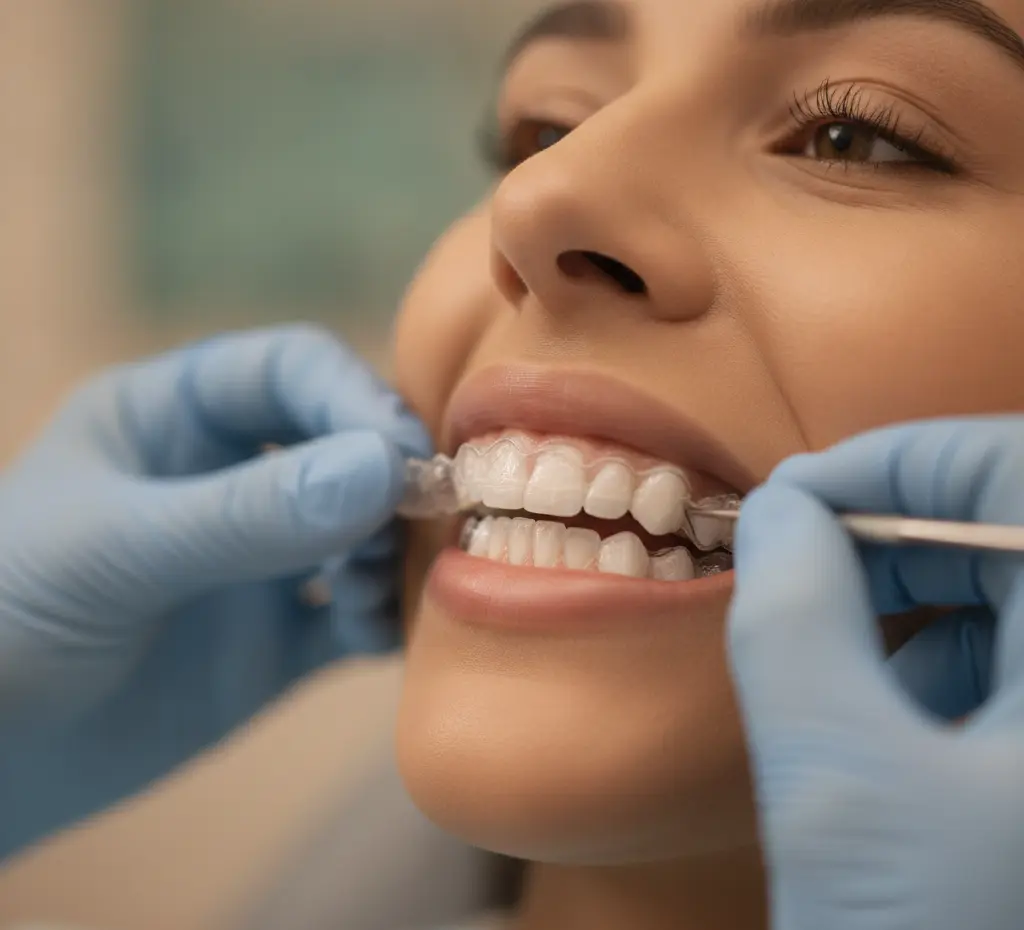
Bruxism, grinding or clenching your teeth during sleep, quietly cracks enamel, wears down dental work, and causes jaw pain over months and years. A custom night guard absorbs those forces so your teeth don’t. Unlike drugstore guards, a professional guard is calibrated to your exact bite. Cost: $400–$800; covered by many PPO plans when bruxism is documented.
What is bruxism, and do I need a night guard?
Most people who grind or clench their teeth (bruxism) do it in their sleep and have no idea, until the signs show up: flattened or chipped edges, unexplained tooth sensitivity, a jaw that’s tight or sore in the morning, dull headaches at the temples, or a partner who can hear the grinding from the other side of the bed. Left alone, bruxism cracks teeth, wears through enamel, and destroys crowns and fillings that should have lasted decades.
A custom night guard is the standard, proven protection: a precisely fitted appliance you wear while sleeping that absorbs the grinding forces so your teeth don’t. Unlike boil-and-bite drugstore guards, which are bulky, fit poorly, and can even change your bite, a professional guard is made from impressions of your own teeth, calibrated for your bite, and comfortable enough that you’ll actually wear it.
At your exam we’ll also look for what’s driving the grinding where we can: bite interference, missing-tooth shifting, and stress patterns. Sometimes the guard is the whole answer; sometimes it protects you while a bigger cause, like a cracked tooth or a bite issue, gets addressed.
If you’ve invested in veneers, crowns, or implants, a night guard is cheap insurance: it protects the dentistry along with the teeth.
What's included
| Factor | Custom Professional Guard | Drugstore Boil-and-Bite |
|---|---|---|
| Fit | Made from impressions of your teeth, precise | Generic; bulky; poor fit |
| Bite calibration | Balanced to your specific bite by the dentist | None, can shift bite over time |
| Thickness | Thin and calibrated; comfortable to wear nightly | Thick; many patients stop wearing them |
| Durability | 3–5 years with proper care | 3–6 months before replacement |
| Cost | $400–$800 (often insurance-covered) | $20–$60, but replaced frequently |
| Protection level | Full occlusal coverage, force distribution | Limited; may not cover all surfaces |
| Risk | None when properly fitted | Can alter bite if used long-term |
Night Guards, FAQ
Common signs: waking with a sore or tight jaw, dull morning headaches at the temples, tooth sensitivity without an obvious cause, flattened or chipped tooth edges, and a sleeping partner who hears it. At an exam we can usually see the wear pattern directly on your teeth and tell you how advanced it is.
Boil-and-bite guards are bulky, fit loosely, often get chewed through, and because they aren’t calibrated to your bite, some can actually encourage clenching or shift your bite over time. A custom guard fits precisely, lasts years, and is comfortable enough to wear every night, which is the only kind of guard that works: one you actually use.
For many patients whose headaches and jaw soreness come from nighttime clenching, a properly fitted guard brings real relief, often within weeks. We’ll be straightforward at your exam about whether your symptoms fit that pattern or point to something else worth investigating.
Typically several years, depending on how heavily you grind, heavy grinders wear through anything faster. We check your guard at regular cleanings and tell you honestly when it’s time to replace it.
Many PPO plans cover night guards when there’s documented grinding damage; coverage varies. We verify your benefits first so you know the real number, and our membership discount applies if you’re uninsured.